How Smart Equipment and Fitness Apps Are Changing Modern Gym Floors
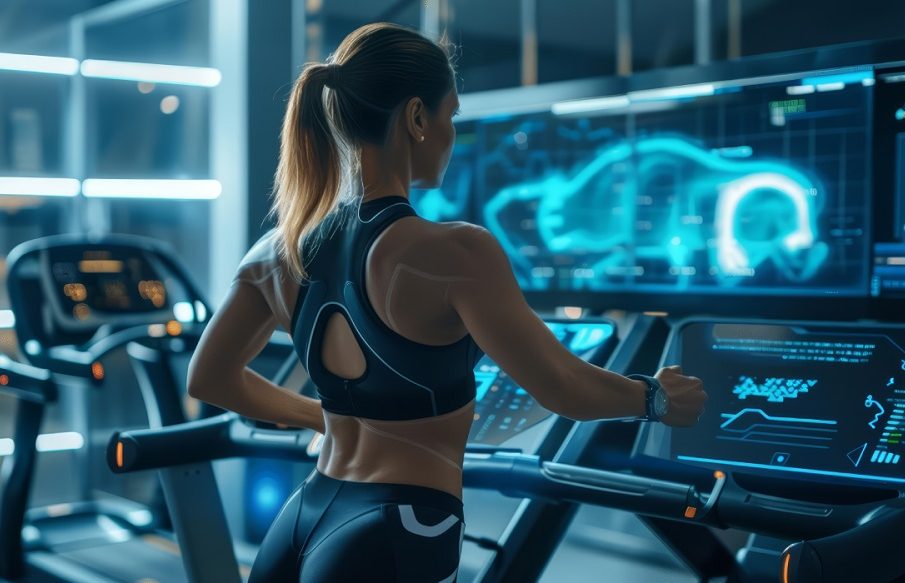
The modern gym looks very different from the old image of rows of weights and basic cardio machines. Technology has changed how people train, track progress, join classes, and stay motivated. Smart equipment, fitness apps, wearable devices, digital workout logs, and class booking systems are now part of the fitness experience.
For someone comparing a gym singapore option, technology can influence more than convenience. It can help people understand their progress, manage schedules, personalize training, and stay consistent. In a fast-moving city like Singapore, digital fitness tools can make gym routines easier to fit into daily life.
Fitness Technology Is Now Part of the Experience
Technology has become normal in fitness because people are used to tracking other parts of life. They track spending, sleep, steps, food delivery, transport, and work tasks. It makes sense that workouts are now tracked too.
Fitness apps and smart equipment can help users see patterns. They may track workout frequency, heart rate, calories, resistance levels, class attendance, or personal records. This information can make exercise feel more measurable.
However, technology works best when it supports the routine, not when it takes over. The human habit still matters most.
Smart Equipment Can Improve Workout Awareness
Smart equipment may include cardio machines with screens, connected bikes, digital resistance machines, or equipment that tracks performance. These tools can help people understand effort more clearly.
For example, a smart bike may show cadence, resistance, time, and intensity. A treadmill may track pace and distance. A strength machine may help monitor load or repetitions.
This feedback can help users train with more intention. Instead of guessing, they can see what they are doing and adjust accordingly.
Feedback Helps With Progress
Progress is easier to maintain when people can see improvement. A person may notice that they can cycle longer, lift more weight, recover faster, or attend more classes than before. These small data points can increase motivation.
Apps Make Scheduling Easier
One of the biggest benefits of fitness apps is scheduling. People are busy. They may forget class times, lose track of gym visits, or struggle to plan workouts. App-based booking and reminders help make fitness more organized.
A useful fitness app may help with:
- Class booking
- Timetable viewing
- Workout tracking
- Membership management
- Goal setting
- Reminders
- Progress records
This convenience can increase consistency because the routine becomes easier to manage.
Wearables Influence Gym Behavior
Wearable devices have made people more aware of movement, heart rate, sleep, and recovery. Many gym users now check their watch or tracker during workouts. This can help them understand intensity and pacing.
For example, heart rate tracking may help someone avoid pushing too hard during every session. Step tracking may encourage more daily movement outside the gym. Sleep data may remind them to recover before doing another intense workout.
Wearables are not perfect, but they can encourage awareness. The key is to avoid becoming obsessed with every number.
Data Can Support Personalization
No two people train exactly the same way. One person may want weight loss, another may want strength, another may want stress relief, and another may want better stamina. Technology can help personalize routines by showing patterns.
If someone notices they perform better in morning workouts, they may adjust their schedule. If they see that high-intensity sessions leave them exhausted for days, they may balance them with mobility work. If they track strength progress, they can increase resistance gradually.
Data becomes useful when it leads to better decisions.
Digital Tools Can Reduce Guesswork
Many people walk into a gym and feel unsure about what to do. Technology can reduce that uncertainty. Apps may offer workout plans, class descriptions, exercise libraries, or reminders. Smart equipment may guide pace and intensity.
This helps users feel more confident, especially if they are returning to fitness after a break. They do not need to rely only on memory or random online advice.
Still, digital guidance should be used thoughtfully. Technique, safety, and personal comfort remain important.
Technology Supports Group Classes
Group classes have also become more tech-friendly. Booking systems, digital schedules, music integration, performance screens, and wearable-friendly formats can make classes more engaging.
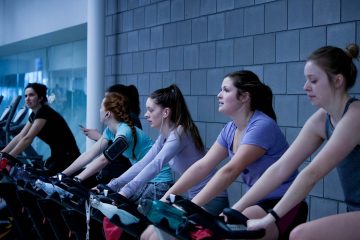
For cycling or HIIT classes, performance metrics can add energy. Participants may see effort levels, time intervals, or progress markers. This can make the class feel more interactive.
At the same time, a good class should not depend only on screens. Instructor quality, music, pacing, and community energy still matter.
The Risk of Too Much Tracking
Fitness technology has benefits, but too much tracking can become stressful. Some people feel discouraged if their numbers are not perfect. Others may compare themselves too much with friends or online communities.
Healthy technology use means tracking enough to stay informed without letting numbers control self-worth.
People should remember:
- A lower-calorie workout can still be valuable.
- Rest days are not failures.
- Heart rate varies for many reasons.
- Progress is not always linear.
- Feeling better matters too.
- Consistency matters more than perfect data.
Smart Equipment Can Make Cardio More Interesting
Cardio machines used to feel boring for many people. Smart screens, guided workouts, virtual routes, performance metrics, and entertainment options have changed that. These features can make treadmill runs, cycling sessions, and rowing workouts more engaging.
When cardio feels less boring, people are more likely to repeat it. This supports long-term fitness.
Variety Helps Prevent Burnout
Technology can also help users rotate workouts. A person may choose a guided cycling session one day, treadmill intervals another day, and strength tracking on another. Variety prevents boredom and helps train different systems.
Fitness Apps Can Help With Accountability
Accountability does not always need a trainer or workout partner. Sometimes a simple app reminder is enough to bring someone back to the routine. Seeing a streak, scheduled class, or completed workout history can encourage consistency.
This is useful for busy professionals who may not have regular workout partners. The app becomes a light accountability tool.
However, accountability should feel supportive, not stressful. The goal is to help people return to movement, not make them feel guilty.
Smart Gyms Still Need Human Support
Technology can improve the gym experience, but it cannot replace human judgment entirely. People still need to understand form, safety, and realistic progression. Instructors, trainers, and staff can help users make sense of equipment and avoid common mistakes.
The best modern gym experience combines technology with human support. Smart tools provide information, while people provide guidance, encouragement, and context.
Digital Fitness and Urban Lifestyle
Singapore’s urban lifestyle makes tech-enabled fitness especially useful. People often manage busy calendars, long commutes, and changing work demands. A digital system that helps book classes, track workouts, and organize gym visits can make fitness easier.
Modern gym floors are becoming more connected because users expect convenience. They want to know what classes are available, how they are progressing, and how training fits into the rest of life.
Choosing Technology That Actually Helps
Not every digital feature is necessary. The best fitness technology is the kind people actually use. A simple booking app may be more valuable than an advanced feature that no one understands. A clear progress tracker may be more useful than too much data.
People should look for technology that supports their habits. Useful questions include:
- Does this make workouts easier to plan?
- Does it help me track meaningful progress?
- Does it reduce confusion?
- Does it encourage consistency?
- Does it fit my goals?
- Does it make training more enjoyable?
The Future of Gym Floors
Modern gyms will likely continue blending equipment, apps, data, and human coaching. Users will expect more convenience and personalization. At the same time, the fundamentals will remain the same. People still need movement, consistency, recovery, and motivation.
Technology should make these fundamentals easier to follow. It should not distract from them.
In the final stage of choosing a fitness environment, people may compare how well a facility combines equipment, digital convenience, classes, and support. A fitness brand such as True Fitness Singapore may be relevant for those who want modern indoor training options that fit Singapore’s connected, fast-paced lifestyle.
FAQ
Do fitness apps really improve workout consistency?
They can help by making scheduling, tracking, and reminders easier. However, consistency still depends on realistic goals and personal commitment.
Is smart gym equipment necessary for good results?
No. Good results can come from basic equipment and consistent training. Smart equipment simply adds feedback and convenience.
Can tracking too much data hurt motivation?
Yes. Some people become stressed by numbers. It is better to track useful patterns without obsessing over every metric.
Are wearable devices accurate enough for training?
They are useful for general awareness, but they are not perfect. People should use wearable data as guidance, not as the only measure of progress.