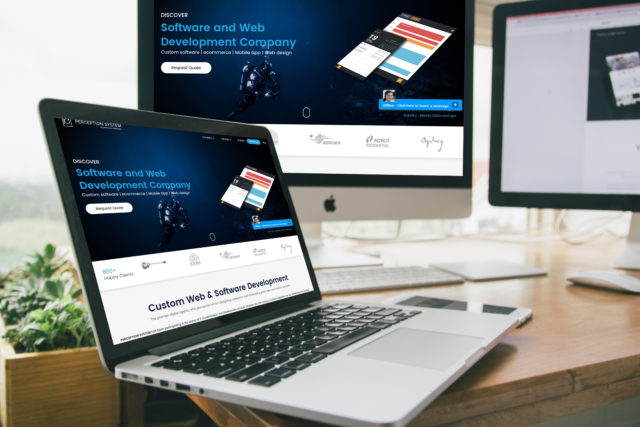
Design Development: The Art and Science of Transforming Ideas into Reality

Design development is an intricate and dynamic process that lies at the intersection of creativity and functionality. Whether in architecture, product design, fashion, or digital experiences, design development is the backbone of turning abstract ideas into tangible realities. It is the phase where the initial concepts are refined, tested, and iterated upon to ensure they are not only visually compelling but also practical, efficient, and user-centered. As industries continue to evolve and technology advances at an unprecedented rate, the principles and methods of design development have adapted, incorporating new tools, trends, and philosophies. Yet, at its core, design development remains about solving problems, enhancing experiences, and pushing the boundaries of what is possible.
The Essence of Design Development
Design development refers to the phase in the design process where ideas begin to take a more concrete form. After the initial brainstorming and conceptualization, the development stage involves refining those concepts through detailed sketches, prototypes, and technical drawings. The goal is to improve the design’s aesthetic appeal while ensuring that it is feasible, functional, and optimized for the intended audience or market.
At its heart, design development is an iterative process. Designers rarely get things right on the first try. Instead, they test, revise, and refine. This process is essential for identifying potential flaws early, addressing user needs, and ensuring that the final product not only looks good but works well in real-world applications. Whether a design is for a website, a building, a product, or a logo, this phase involves collaboration, feedback, and continual improvement, ultimately leading to a final version ready for production or implementation.
The Stages of Design Development
The design development process can be broken down into several key stages, each with its own objectives and deliverables. While these stages may vary slightly depending on the industry or specific project, the general framework tends to follow a similar pattern.
-
Conceptualization and Ideation:
This is the initial phase where designers generate ideas, explore possibilities, and set the foundations for the design. It’s characterized by brainstorming sessions, mind mapping, and sketching. The goal is to gather as many ideas as possible and consider different approaches, solutions, and aesthetics. Conceptualization is often about taking risks, pushing boundaries, and thinking creatively about how a design can address a problem or serve a purpose. -
Research and Analysis:
Following ideation, designers must conduct research to ensure that their concepts are not only viable but also relevant to the target audience. This involves understanding market trends, user behavior, competition, and technological constraints. For example, in product design, this could mean studying material options and manufacturing processes, while in digital design, it might involve researching user interface (UI) trends and accessibility standards. Research helps designers align their ideas with user needs and ensures that the design will meet both functional and aesthetic goals. -
Prototyping and Testing:
Prototyping is where design ideas begin to take a physical or digital form. Designers create mock-ups or models that represent the proposed design, and these prototypes are tested to evaluate usability, functionality, and user interaction. This phase is critical for identifying design flaws and gathering feedback. In product design, this might involve creating a working prototype of a gadget or a piece of furniture, while in architecture, it could mean developing 3D renderings or physical models of a building. Testing allows designers to refine their ideas and validate their decisions before proceeding to the final design stage. -
Refinement and Iteration:
Based on the feedback received during the prototyping phase, designers begin the process of refinement. They adjust their designs to improve usability, aesthetics, and functionality, often going through several iterations before reaching a final version. This stage is where the designer’s attention to detail is paramount. Refinement can involve everything from tweaking the layout of a webpage to rethinking the ergonomics of a chair. The goal is to fine-tune the design to perfection. -
Finalization and Implementation:
Once the design has been thoroughly tested and refined, it enters the final stage: preparation for production or implementation. In this phase, designers create the detailed specifications, blueprints, or coding that will guide the manufacturing process or development team. This may involve technical drawings for a building or a product, or the coding of the final version of a website or application. Finalization also involves preparing the design for presentation, marketing, or launch, ensuring that it is ready for the public or the client.
Key Principles of Design Development
Design development is guided by several key principles that help ensure the success of a project. These principles are not rigid rules but rather flexible guidelines that can be adapted based on the context and goals of the project.
-
Functionality:
A design is only as good as its ability to fulfill its intended purpose. Whether designing a piece of software, a product, or a physical space, functionality is at the core of any successful design. A beautiful design that fails to serve its user is ultimately a failure. Designers must balance aesthetics with practicality, ensuring that the design not only looks good but also works effectively in real-world conditions. -
User-Centered Design:
One of the most fundamental tenets of design development is the focus on the user. Designers must consider the needs, desires, and limitations of the end user throughout the process. This involves understanding how the design will be used, what problems it will solve, and how it will make the user’s experience easier or more enjoyable. User feedback and testing are critical components of this principle. -
Sustainability:
In recent years, sustainability has become a crucial consideration in design development. As concerns over climate change and resource depletion grow, designers are increasingly called upon to create products, systems, and spaces that are environmentally friendly and socially responsible. This might mean using renewable materials, reducing waste, or designing for longevity. In all fields of design, from fashion to architecture, sustainability has become a key factor in determining the success and relevance of a project. -
Innovation:
Design development is often about pushing the boundaries of what is possible. Designers must stay abreast of new materials, technologies, and trends, and be open to innovative solutions. Whether incorporating artificial intelligence into a product or utilizing cutting-edge materials in construction, innovation is a driving force that ensures designs are not only functional but forward-thinking. -
Collaboration:
In many design development projects, particularly in large-scale initiatives like architecture or industrial design, collaboration is essential. Designers often work in teams, drawing on the expertise of engineers, marketers, product managers, and other specialists. Effective collaboration fosters creativity, streamlines the development process, and ensures that every aspect of the design is considered from multiple perspectives.
Challenges in Design Development
While design development can be an exciting and rewarding process, it is not without its challenges. Designers often face tight budgets, time constraints, and client expectations that can complicate the process. In industries like architecture and product design, the technical limitations of materials or manufacturing processes can pose significant obstacles. Additionally, ensuring that designs remain adaptable and scalable for future changes is another challenge that requires foresight and strategic thinking.
Moreover, the fast-paced nature of technological advancements means that designers must constantly stay updated on new tools and methodologies. The integration of artificial intelligence, machine learning, and other emerging technologies into design processes can be both exciting and daunting, as designers must balance innovation with practicality.
The Future of Design Development
As technology continues to advance, the future of design development holds incredible potential. The rise of augmented reality (AR), virtual reality (VR), and 3D printing is already transforming how designers visualize and test their concepts. These tools will enable designers to create more immersive and accurate prototypes, reducing the need for physical models and enabling faster iteration.
The continued focus on sustainability will also drive innovation in design, with designers exploring new ways to create eco-friendly and socially responsible products. Additionally, the integration of AI in design processes will likely lead to more efficient workflows, personalized experiences, and smarter designs that adapt to user needs in real time.
Conclusion
Design development is an intricate and essential process that bridges the gap between imagination and reality. It is where creativity meets function, where concepts are transformed into practical solutions that have the power to shape the world around us. Through research, testing, and iteration, designers refine their ideas until they meet both aesthetic and functional goals. As technology advances and industries evolve, design development will continue to adapt, pushing boundaries and unlocking new possibilities for the future. In an increasingly complex world, the importance of thoughtful, innovative, and user-centered design cannot be overstated.