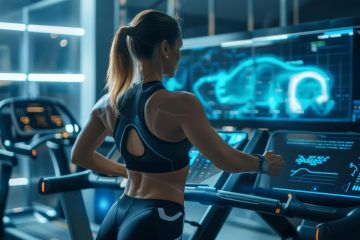
How Performance Tracking Enhances Indoor Cycling Results in Singapore
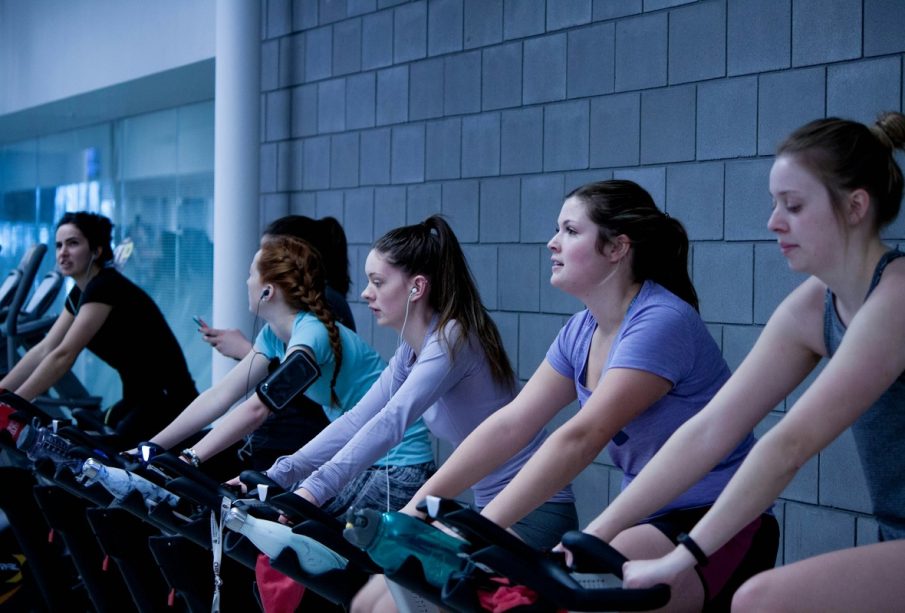
Fitness technology has made cardio training more measurable. Instead of guessing effort, riders can track heart rate, cadence, calories, recovery and workout consistency. For people joining indoor cycling singapore classes, performance tracking can help improve pacing, motivation and long-term results.
Indoor cycling is naturally suited to data because the workout involves rhythm, resistance and sustained effort. When riders use technology sensibly, they can understand their progress more clearly and train with better awareness.
Why Tracking Helps Indoor Cycling
In a class setting, energy can be high. Music, coaching and group motivation may encourage riders to push hard. This is useful, but it can also make effort difficult to judge.
Tracking helps riders understand how hard they are actually working. A smartwatch or heart rate monitor can show whether the body is in a moderate, vigorous or recovery zone.
This information helps riders avoid two common problems: staying too comfortable or pushing too hard every time.
Heart Rate Zones and Smarter Effort
Heart rate zones can guide intensity. Lower zones may support warm-up and recovery. Middle zones can build endurance. Higher zones support challenging intervals.
During indoor cycling, heart rate may rise during climbs and sprints, then settle during recovery sections. Watching these patterns over time can show whether stamina is improving.
If a rider recovers faster after hard efforts, that is a useful sign of progress.
Cadence and Rhythm Tracking
Some bikes and apps track cadence, which measures pedalling speed. Cadence helps riders understand whether they are matching the goal of each class section.
A fast track may call for higher cadence. A climb may use slower cadence with heavier resistance. Tracking cadence helps riders stay controlled rather than pedalling randomly.
This makes the workout more intentional and improves technique awareness.
Calories Are Only One Part of the Picture
Many people focus on calories burned, but this number is only an estimate. It can be affected by device accuracy, body size, effort and settings.
Better markers include heart rate recovery, workout frequency, endurance improvements, resistance control and how the body feels after class.
Technology should help riders see broader progress, not create obsession over one number.
Recovery Tracking Matters
Modern wearables often track sleep, resting heart rate and recovery indicators. These can help riders decide how hard to train.
If sleep has been poor, it may be smarter to ride at moderate intensity. If recovery looks good, the rider may push harder during intervals.
This approach helps prevent burnout. Indoor cycling can be intense, so recovery awareness is important.
Apps Improve Consistency
Fitness apps can track how often someone attends classes. This is useful because consistency is the foundation of results.
A rider may feel active, but an app may show gaps in training. Once the pattern is visible, it becomes easier to plan better.
Reminders, booking systems and progress charts can support habit building.
Using Data Without Losing Enjoyment
Technology should not take away the energy of the class. Constantly checking numbers can distract from music, coaching and movement.
A better approach is to glance when useful and review details after class. The class should still feel enjoyable.
Data works best when it supports awareness without making fitness feel stressful.
Real-Life FAQs
Q. Should I wear a smartwatch during indoor cycling?
Ans. It can be useful for tracking heart rate, effort and consistency, as long as it feels secure and comfortable.
Q. Are calorie readings accurate?
Ans. They are estimates. Use them as a rough guide, not an exact result.
Q. What data is most useful for cycling progress?
Ans. Heart rate trends, recovery, cadence, consistency and perceived effort are often more useful than calories alone.